By Katie Gallinghouse
Museums, their educators, and navigating the opportunities and challenges of both the museum and education worlds.
Defining museum education:
One might think that a museum educator is just someone who educates at a museum. That definition, while outwardly accurate, is also not in-depth enough. A more in-depth look would show that a museum educator “works to involve groups in an active way, providing them with skills and the sensibilities to work with what the museum has to offer” and “teaches people to question” (Talboys, 2018, p.36).
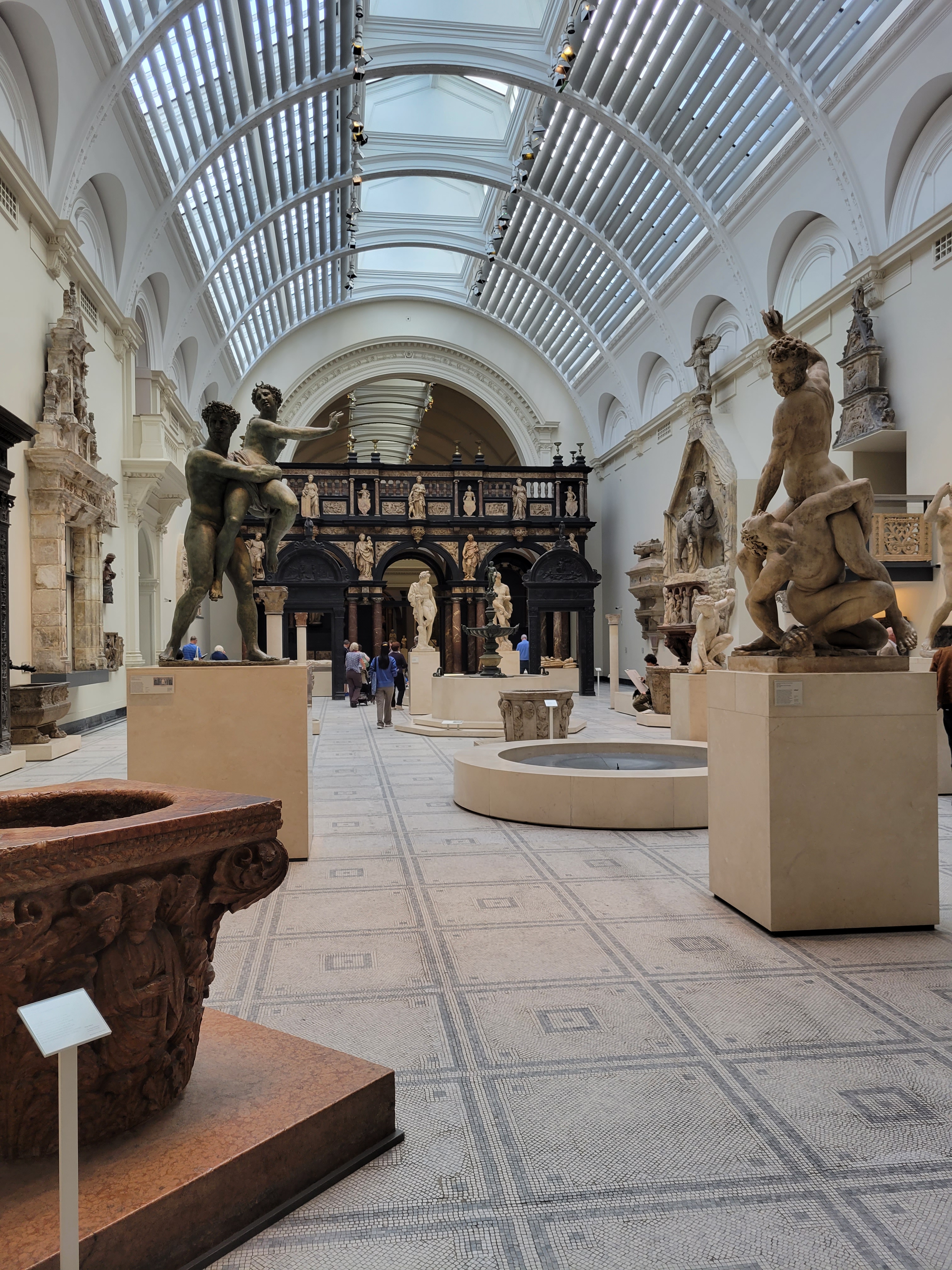
Museum educators exist at the intersection of the museum and the community, often being the department that spends the most face time with visitors (Wood, 2023).
There has been a modern paradigm shift across all aspects of museum work; no longer is information merely conveyed to the visitor, it is now integral to connect with the visitors as well (Young, 2019).
Museum education: From then to now
“Museums are community based places of informal learning” and “museums can play an important role in sharing new knowledge, promoting continued pursuit of ideas and experiences through life long learning, and offer a platform to discuss and debate current issues affecting a community” (Wood, 2023, p.9).
If the previous quote rings true, then why do museum educators feel like “second class citizens” (Kristinsdóttir, 2016, p.424).
For a large portion of the 20th century, museum education and its offerings were seen as side orders to the museum experience as opposed to the main course (Kristinsdóttir, 2016).
This feeling was perpetuated by a lack of resources, a lack of job definition, and the belief that the objects displayed offered enough education (Kristinsdóttir, 2016; Wood, 2023).
Fast forward to the modern museum, where educators now receive proper funding, have a well defined job title, and feel a sense of belonging in the museum space! Okay, this has not been a worldwide standard achieved, but the museum community inches closer every time they acknowledge the importance of educators and the value they bring not only to the museum but to the community. (Wood, 2023).
A Path Between Worlds
“The value of museum educators originates in their critical position connecting museums and communities as change agents” (Kristinsdóttir, 2016, p. 430). While most museum educators lack of solid job definition, this can actually benefit educators. The upshot of unclear roles? An “open space for dynamism and flexibility” (Kristinsdóttir, 2016, p. 432).
Who are the Museum Educators?
Museum educators have many titles and can wear many hats depending on the size and resources of the museum.
Common titles in an education role at museums include education program manager, education coordinator, interpreter, docent, and volunteer coordinator (Young, 2019).
Where can I find a Museum Educator?
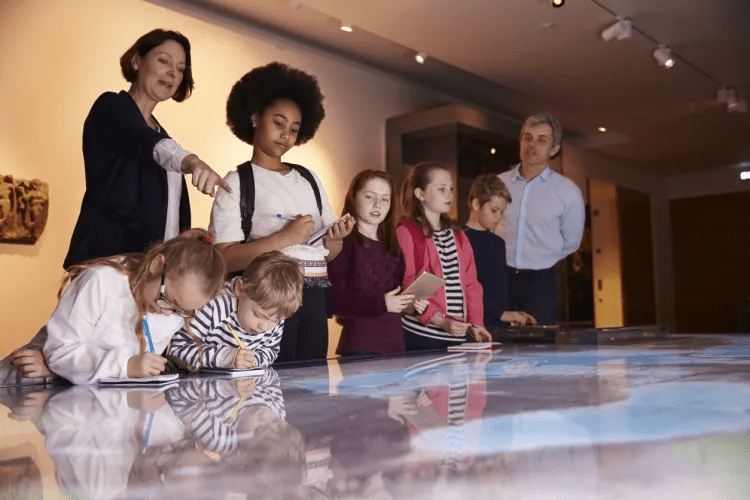
Museum educators can be found leading tours, answering questions, connecting with teachers and the community, as well as preparing engaging materials for use within the museum (Talboys, 2018; Young, 2019).
The responsibility of a museum educator goes beyond just giving tours and teaching (Talboys, 2018). Museum educators develop educational offerings for visitors and teachers to use, train teachers and museum staff, offer assistance in exhibit planning and design, assist in fundraising, and perform administrative work (Talboys, 2018).
Museum educators need to be well-rounded in a number of areas throughout the museum since education staff are often limited due to funding and training (Talboys, 2018).
Technology in Museum Education
“Museum educators are the driving force behind technological updates” (Dumont et al., 2024, p.398).
In addition to upgrades to technological offerings to assist in digital education, museum educators are mostly responsible for the creation of digital education content (Dumont et al., 2024).
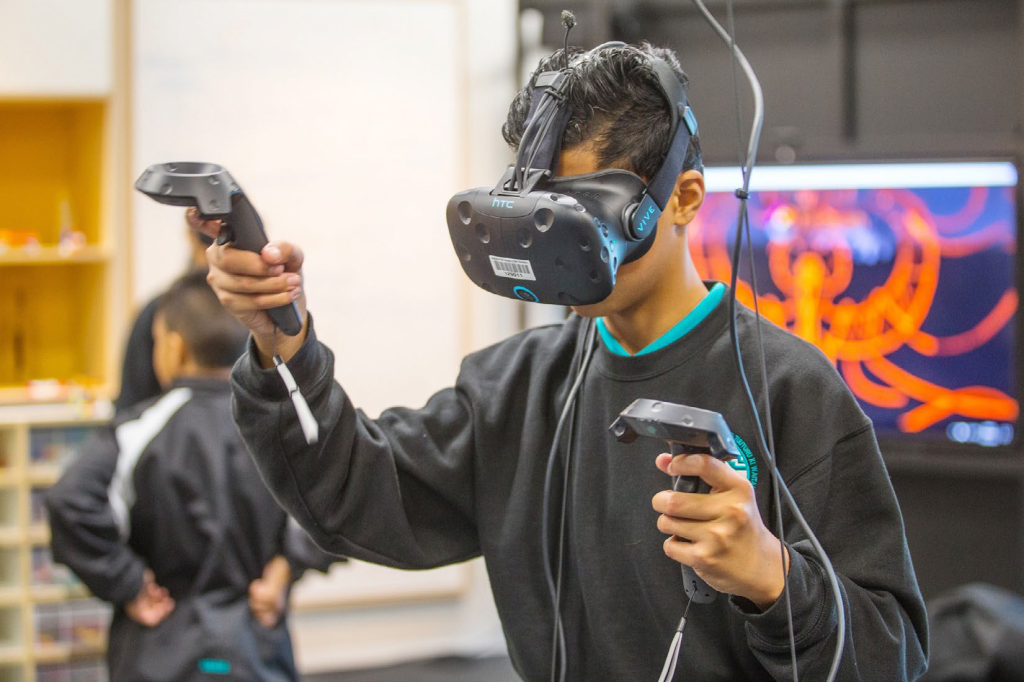
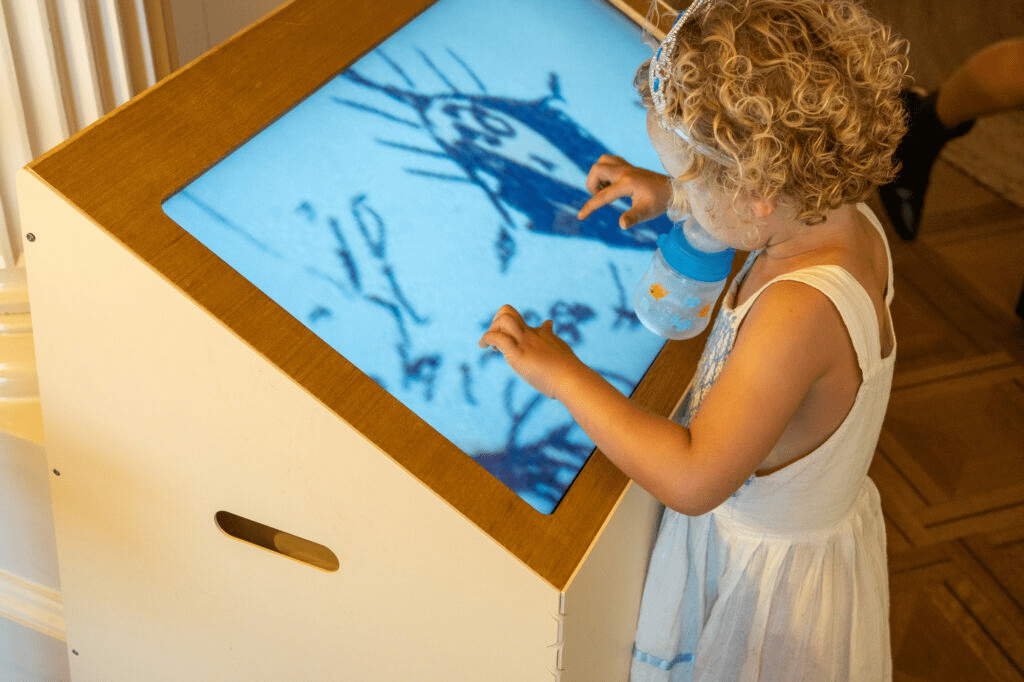
Technology in museum education can look like offering tours through Zoom, virtual reality to transport visitors back in time, 3-D renderings of exhibits, and online museum curriculum offerings (Dumont et al., 2024).
Digital educational offerings and initiatives offer a lot of opportunities for museum education departments to reach different audiences as well as offer more accessible options to groups the physical museum cannot assist (Dumont et al., 2024).
What is the issue facing museum education departments? A lack of funding for these digital initiatives, a lack of training, and a lack of funding for upkeep of implemented technology (Dumont et al., 2024).
While there are challenges with technology in modern museum education departments, there are also opportunities for skill growth, professional development, and community partnerships to fund digital educational tools and their upkeep (Dumont et al., 2024).
DEIA in Museum Education
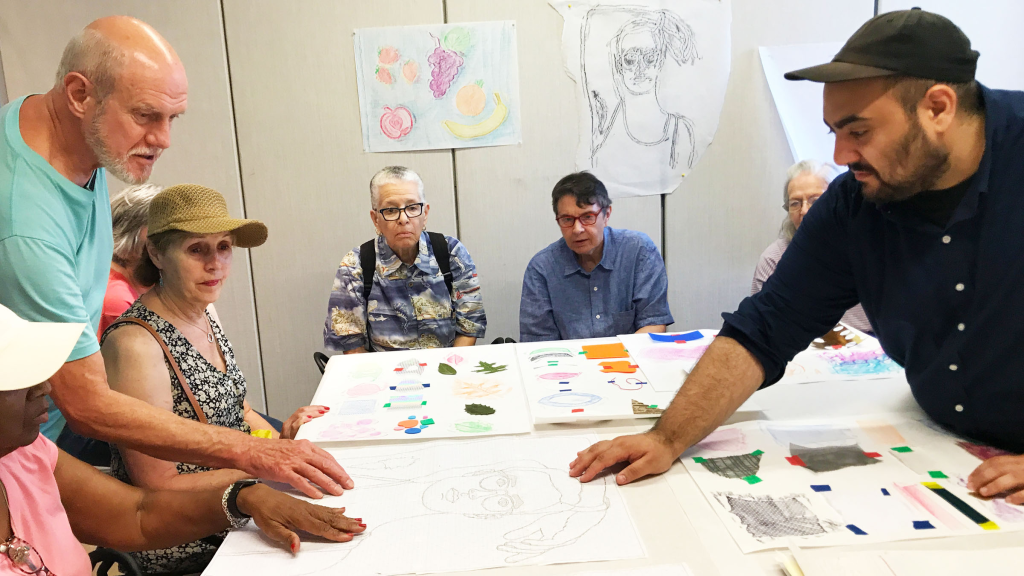
Museum education and its educators exemplify some of the best of museum staff in their tireless implementation of DEIA (Diversity, Equity, Inclusion, and Accessibility) initiatives.
Much of modern education necessitates the utilization of DEIA, but for this reflection, I am going to focus on the accessibility that is offered through the realm of museum education.
Accessibility in Museum Education
Museum educators are offering greater accessibility to museums, their collections, and educational offerings (Kristinsdóttir, 2016).
Beyond the accessibility we may think of when visiting a museum (such as ADA-required offerings), educators are making museums and their content more accessible to visitors, both in person and online.
Museums and their programming are no longer limited to the physical building, but can reach teachers and students who may not have funding to visit museums via online tours and seminars (Dumont et al., 2024).
Museum educators are also offering closed captioning to online programs, large print for in-person and online offerings, in-person tours in multiple languages, as well as workshops for blind visitors to touch the objects being discussed to really get a feel for the work (The Met Museum, n.d.).
Museum educators are reaching out into the community to build partnerships and offer museum education to the community (Kristinsdóttir, 2016). This type of community access bridges gaps in educational offerings as well as showcases that museums are for everyone, not just those who can afford to visit in person.
Museum Education and Me
I collaborate with the Memphis Zoo’s education team frequently. We are hosting our first sensory-inclusive event this upcoming week with the assistance and training of the education staff.
The interpretation staff goes out to community events and meeting spaces, such as festivals and the local library, to share ambassador animals and educate the community on these animals and the importance of caring for them.
Our education and enrichment staff will often partner with community partners, such as the local fire department, to source and create enrichment items for the animals. During summer camp, educators will also involve campers to assist in creating parts of enrichment items.
Beyond my own zoo, I have been able to enjoy museums and heritage sites to a greater degree due to the educational offerings and fantastic educational staff.
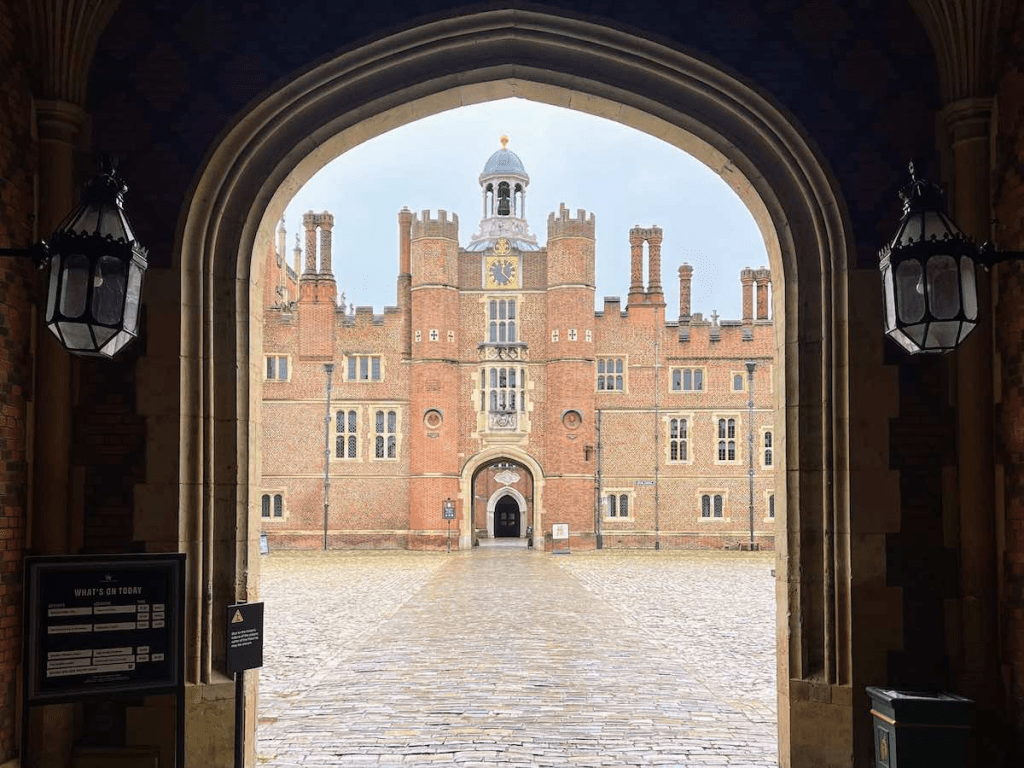
From sharing interesting tidbits about the lives of those living in the walls at Hampton Court Palace to showing me graffiti located in the Tower of London, museum, and cultural heritage educators have enhanced my experience and led to a deeper curiosity for the sites and objects that I visited.
Sources:
Dumont, C., De Backer, F., Dewinter, H., & Vandermeersche, G. (2024). Museum educators’ views on digital museum education: opportunities and challenges. Cultural Trends, 34(3), 398–413. https://doi.org/10.1080/09548963.2024.2378324
Kristinsdóttir, A. (2016). Toward sustainable museum education practices: confronting challenges and uncertainties. Museum Management and Curatorship, 32(5), 424–439. https://doi.org/10.1080/09647775.2016.1250104
Living London History. (2024). External view of Hampton Court Palace. [Photograph]. Online Article. https://livinglondonhistory.com/ten-secrets-of-hampton-court-palace/
Maryville University. (2020). Educators with students.[Photograph]. Maryville University Blog Post. https://online.maryville.edu/blog/curator-vs-museum-educator/
Museum of Arts and Design. (n.d). A verbal description and sensory experience tour of MAD’s Artist Studios. [Photograph]. Accessibility at MAD. https://madmuseum.org/about/accessibility-at-mad
Museum of New Zealand Te Papa Tongarewa. (2023). Students creating art in virtual reality in the Hīnātore Learning Laboratory. [Photograph]. Museum Worlds. https://www.berghahnjournals.com/view/journals/museum-worlds/11/1/armw110115.xml?ArticleBodyColorStyles=pdf-4278
Philanthropy Europe Association. (2023). Little girl utilizes digital museum technology. [Photograph]. Philanthropy Europe Association Online Article. https://philea.eu/opinions/challenges-and-opportunities-for-museums-and-schools-in-the-digital-era/
The Met Museum. (n.d.). Accessibility. The Met Museum. https://www.metmuseum.org/visit-guides/accessibility
Talboys, G. (2018). Museum Educator’s Handbook. Routledge. https://doi.org/10.4324/9781315212432
Wood, E. (Ed.). (2023). A New Role for Museum Educators: Purpose, Approach, and Mindset (1st ed.). Routledge. https://doi.org/10.4324/9781003347712
Young, T. (2019). So you want to work in a museum?. Bloomsbury Publishing USA.
 Life at the Museum