By: Katie Gallinghouse
Exhibitions, technology, and the challenges and opportunities of the modern age.
“Museums are not museums without exhibitions” (Summers,2018, p.3).
Defining Exhibitions:
To start, being incredibly technical: exhibitions are the objects, displays, text, flow, build, and layout of a space that are designed to impart something to the viewer.
To offer a more in-depth and broader definition: “It’s more than just the objects themselves. It is the people, the planning, and the collaboration behind the scenes that bring these displays to life”. (Wizevich, 2025, 0:21-0:29).
Exhibitions through the ages
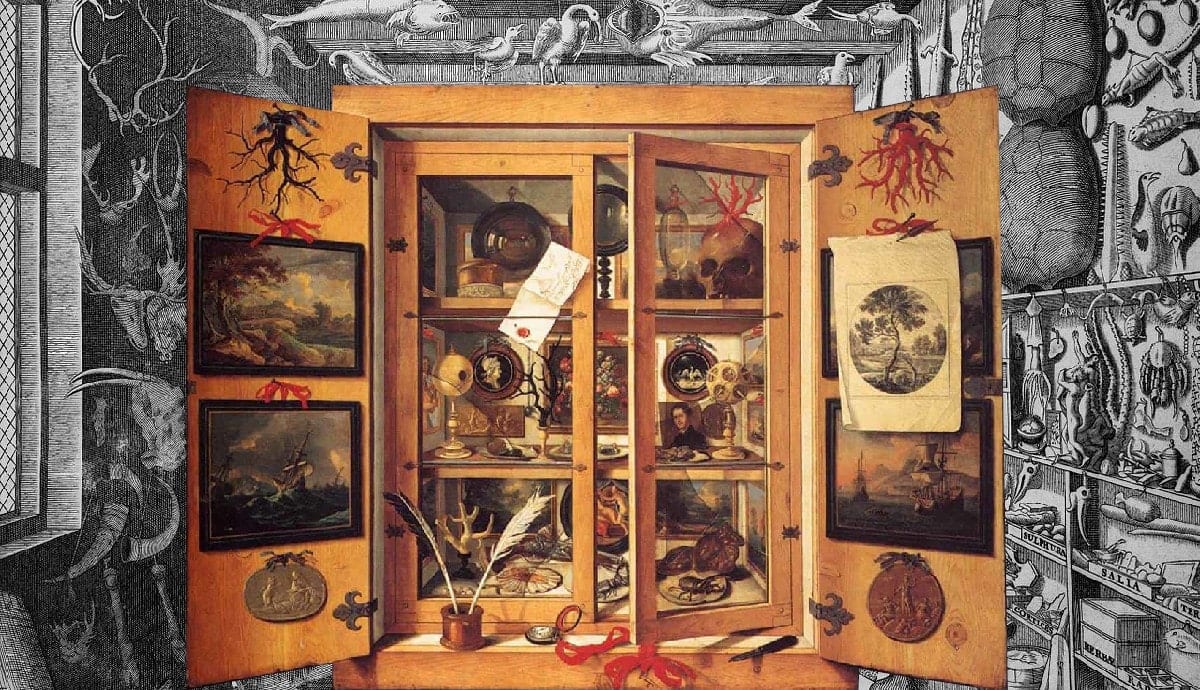
Early museum-adjacent offerings included the cabinets of curiosities, which were primarily designed to shock and awe spectators (Wizevich, 2025). Collections were often curated based on the rarity of the objects, and the curators themselves were often wealthy individuals or royalty (Chaliakopoulos, 2021).
Eventually, personally curated cabinets fell out of fashion, and the modern museum emerged, with many European museums originating as curiosity collections (Chaliakopoulos, 2021). The idea behind the shift was to make these collections accessible to the public (Chaliakopoulos, 2021).
With public access came the idea of arranging collections by systems of relationships (Chaliakopoulos, 2021; Lachapelle, 2024).
For a long time, museum exhibits existed merely as a one-way transfer of information. The visitor was meant to visit, gather information from the displayed objects, and then leave.
Now, museum exhibitions are seen as “knowledge-in-the-making rather than platforms for dissemination already established insights” (Pleiger, 2024, p.220).
The modern museum exhibition seeks to engage with visitors, asking them to bring their background and perspective to the exhibit (Summers, 2018).
Exhibition Design
The current state of exhibition design asks designers to create a space for “dialogue, community building, and engagement” (Wizevich, 2025, 4:50-4:52).
When working on exhibition design, it is important to have an interpretive plan, which is a “document that breaks down the main subject matter of the exhibition into subtopics and organizes them in sequence(Quenneville, 2019, pp. 79-80).
The idea behind planning an exhibition and its design is “to commit to an exhibition scheme and a detailed interpretive plan that together provide a clear understanding of how the main messages are realized in a stimulating and powerful design approach” (Quenneville, 2019, p.83).
Within the exhibition design space, an interesting form of design is interpretive design, which is “rooted in a multi-faceted and multi-sensory approach that does not depend solely on the use of text” (Lachapelle, 2024, p. 126).
This design form allows for a shift from the “functional ” to an expressive use of space (Lachapelle, 2024, p.127).
Some things to consider when utilizing an interpretative design are:
- “user mindset
- agency
- storification
- narrative closure”
(Lachapelle, 2024, p.130).
The idea behind this design style is to provide a beneficial viewing experience, allowing room for visitor interpretation and space for learning (Lachapelle, 2024).
“Who should make exhibits?” “As wide a range of people as possible” (Summers, 2018, p.8).
Who Works in Museum Exhibitions?
If you are looking for a short answer, a large portion of the museum staff.
If you are looking for a more detailed answer, I would say that museum exhibitions are brought to life through the collaborative efforts of staff from exhibition development teams, curators, collections personnel, educators, IT, and marketing/media (Chicone & Kissel, 2013).
Individuals working in exhibition development include project managers, fabricators, developers, and designers who collaborate to conceptualize, design, develop, and complete museum exhibitions (Chicone & Kissel, 2013).
As museums, and in turn their exhibits, have focused on reframing narratives and adding additional perspectives, representatives from source communities (such as Indigenous tribes) have been involved in exhibition planning and development (Chicone & Kissel, 2013; Wizevich, 2025).
With technology increasingly present in every aspect of life, museums are no exception. A new challenge for staff planning and developing exhibitions is the addition of technology, including how to use it effectively and ensure it complements and benefits the physical exhibit components.
Technology in Museum Exhibitions
One of the significant concerns surrounding museums today is how to incorporate technology into their institutions effectively.
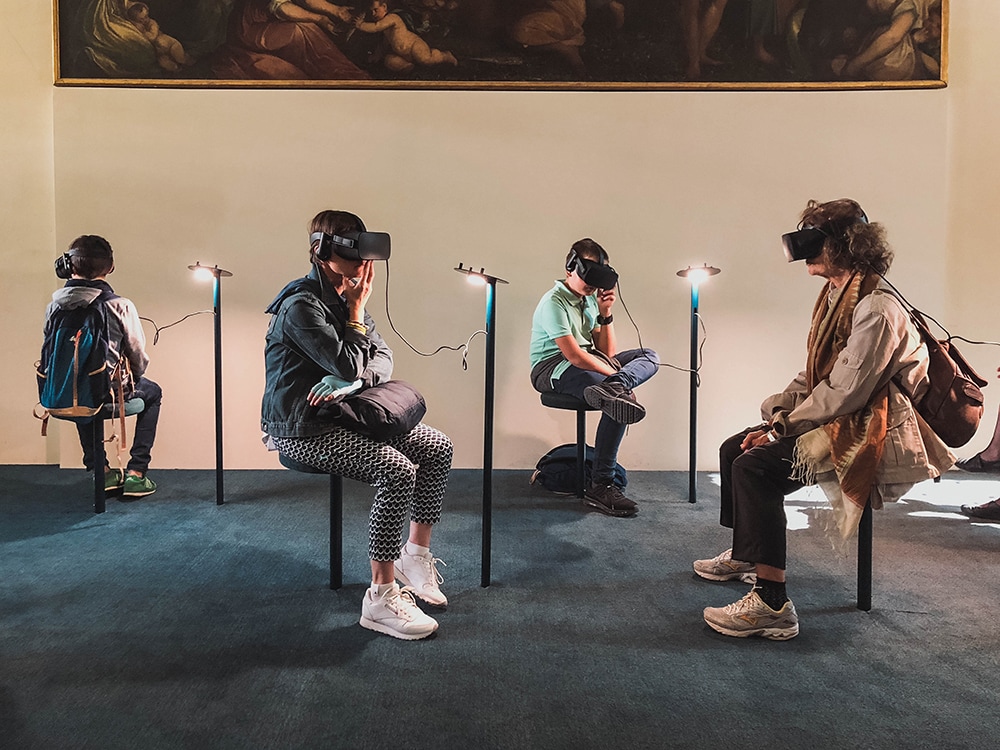
Forms of technology used in museums include, but are not limited to, “interactive information screens, audio/multimedia guides, interactive installations, and VR headsets” (Løvlie & Waern, 2022, p. 34).
Things to Consider with Exhibition Tech
“Technologies should be carefully integrated in our physical surrounding, and support our embodied experiences, and mean-making processes” (Løvlie & Waern, 2022, p.32).
It is essential to consider several factors when designing an exhibit with the intention of incorporating technology. Firstly, while digitizing collections and offering online content have been beneficial to creating a museum’s online presence, in-person visits still reign supreme (Løvlie & Waern, 2022).
Secondly, that any added technology can be supported by the institution, through staff knowledge, funding, and maintenance.
Thirdly, if any technology is supplementary to the physical exhibit and does not overshadow it, the technological additions should be complementary to the physical displays, not replacements.
Challenges in Exhibition Technology
Museum exhibition technology is often utilized for a different purpose than what it was developed for, which can lead to designs that require long engagement, that don’t support handovers, and interactions that are too private for guests to understand how to use it or too public that no one is comfortable using it (Løvlie & Waern, 2022).
To counteract this, technology needs to be designed that allows guests to interact and leave freely, facilitates short interactions, and is public enough for guests to see how the technology works without feeling humiliated or confused by its use (Løvlie & Waern, 2022).
Virtual Reality (VR) is a type of technology frequently mentioned when discussing additions to exhibitions. While the possibilities of VR are engaging and immersive, there are drawbacks to including it in the exhibition space.
Often, VR is designed for single-person use, which leaves others waiting for a turn or disengaging from the exhibition content (Løvlie & Waern, 2022). Even with multiple headsets available at a time, it is unlikely that every visitor will be able to use them simultaneously (Løvlie & Waern, 2022). Therefore, those who are waiting their turn or waiting for group members need to have an equally engaging spectator experience (Løvlie & Waern, 2022).
DEAI in Museum Exhibitions
All aspects of DEAI (Diversity, Equity, Accessibility, and Inclusion) have their place in museum exhibitions. Often, the offering of one aspect of DEAI leads to another; for example, offering wall text in multiple languages makes the exhibit more accessible and, therefore, inclusive of various individuals.
For this reflection, I am focusing on the inclusivity that can exist in museum spaces thanks to exhibitions.
Inclusivity in Museum Exhibitions
“To be relevant and truthful, not just to history but to the world around us, and to be fully engaged with all of our communities” (Summers, 2018, p.4).
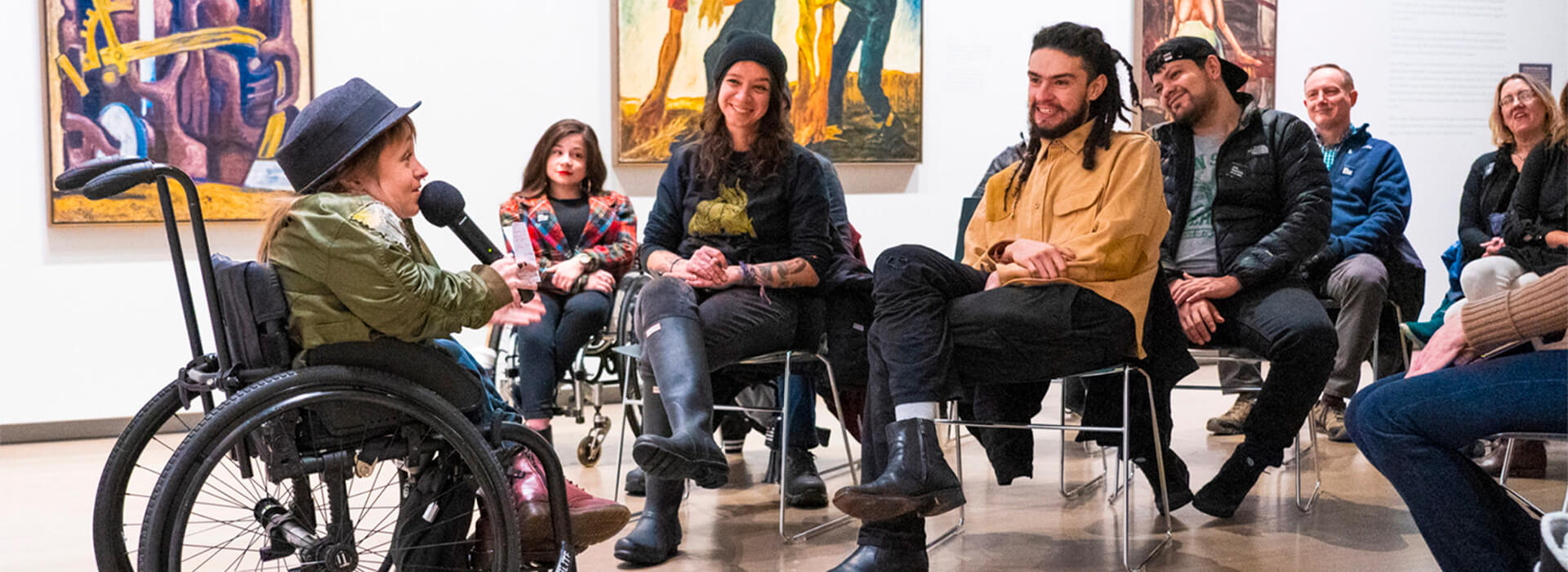
Modern museum exhibitions are facilitating inclusivity (Wizevich, 2025). Museum exhibits are better at including and reflecting the communities they serve (Summers, 2018; Wizevich, 2025).
This does not mean there is no work to be done, and museums can also do more to include diverse narratives and underrepresented groups.
Inclusion can take several forms in the exhibition space, such as:
- Including individuals from source communities in the development and design process for new exhibitions, as well as where improvements can be made to current ones (Chicone & Kissel, 2013; Wizevich, 2025).
- Including new perspectives in current exhibitions allows guests to gain a fuller understanding of the diverse ways history and events are experienced. This is also an excellent opportunity to incorporate technology, such as using an app or digital screen, to facilitate a deeper exploration of these perspectives (Løvlie & Waern, 2022; Wizevich, 2025).
- Including a diverse team of individuals in the exhibition planning and development process to offer a wide array of insights and perspectives.
- Including the community the institution serves in talk-backs to see what the community wants to see and where there is room for improvement in exhibition offerings.
- Designing exhibits that include the visitor in the narrative being told and allow for the meeting of meaning created by the visitor interacting with the exhibit (Summers, 2018).
Overall, inclusion done correctly in the exhibition spaces fosters diversity, accessibility, and equity.
Exhibitions From My Point of View
At My Job:
My current institution is in the process of fundraising for the next phase of zoo exhibition updates. I have had the opportunity to review the presentation of our master plan, and the new exhibits are trending towards an immersive experience for guests and a more natural habitat replication for the animals in our care. One fosters the other; by designing an exhibit that mimics an African elephant’s natural habitat, guests will feel transported to the African savanna.
Within the last 30 years, there has been a shift from exhibiting all related species (such as primates) in one area to exhibiting animals based on specific geographic regions.
It is exciting to see the growth that these new exhibits will allow for the zoo, both in terms of financial success and the care and well-being of our animals.
At Other Insititutions
I have seen, firsthand, the inclusion of technology within museum exhibits over the last decade or so. While it is exciting to see new technologies implemented and the way they can complement the museum experience, I have also seen how elevating some exhibits and not others in the same museum can lead to an uneven visitor experience.
For instance, my local natural history museum hosted the SUE experience last year. The SUE exhibit was located at the end of the museum. I was so impressed with the multimedia immersive experience the traveling exhibit provided, from a fully articulated SUE cast to soundscaping, scent stations, and animated scenes (Field Museum, 2025). As wonderful as the exhibit was, it left me feeling that everything I experienced before SUE was mediocre, even though I hadn’t felt that way while walking through the other exhibits.
I have also felt the difference in funding for exhibitions from museum to museum.
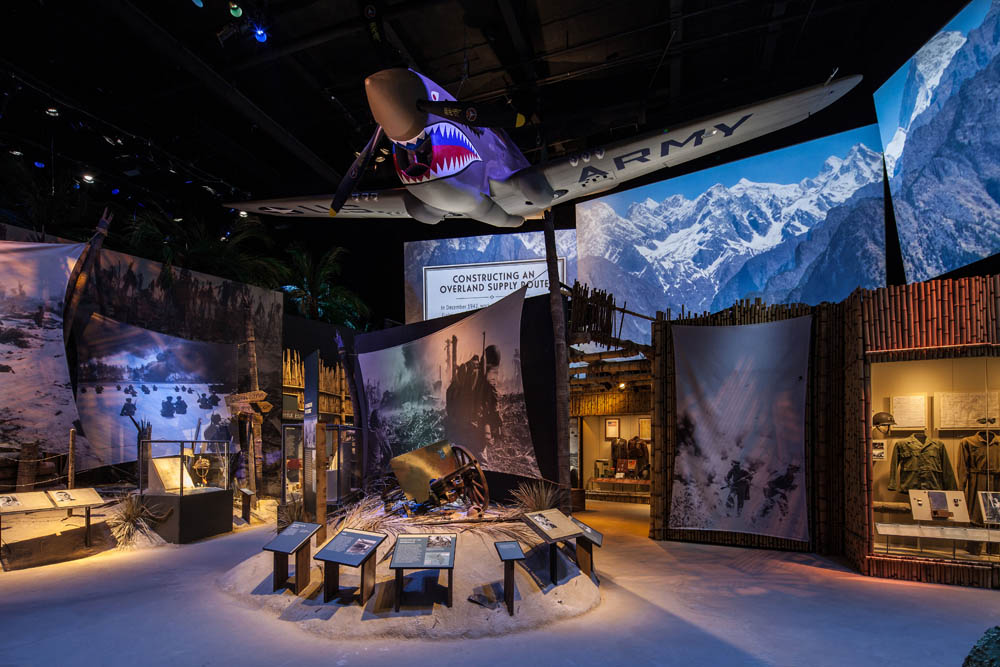
The new Liberation Pavilion at the National WWII Museum is everything I have come to expect from that organization: it was well-themed, moving, and engaging. Meanwhile, I revisit my local natural history museum and notice the age of its exhibits, which can skew the visitor experience.
Finally, I would like to discuss exhibition design and the guest experience.
To refer back to the National WWII museum, the museum’s exhibits are simultaneously in-depth and engaging without feeling visually overwhelming or confusing to navigate. The design seamlessly blends helpful visuals and multimedia, guiding the visitor through the historical timeline.
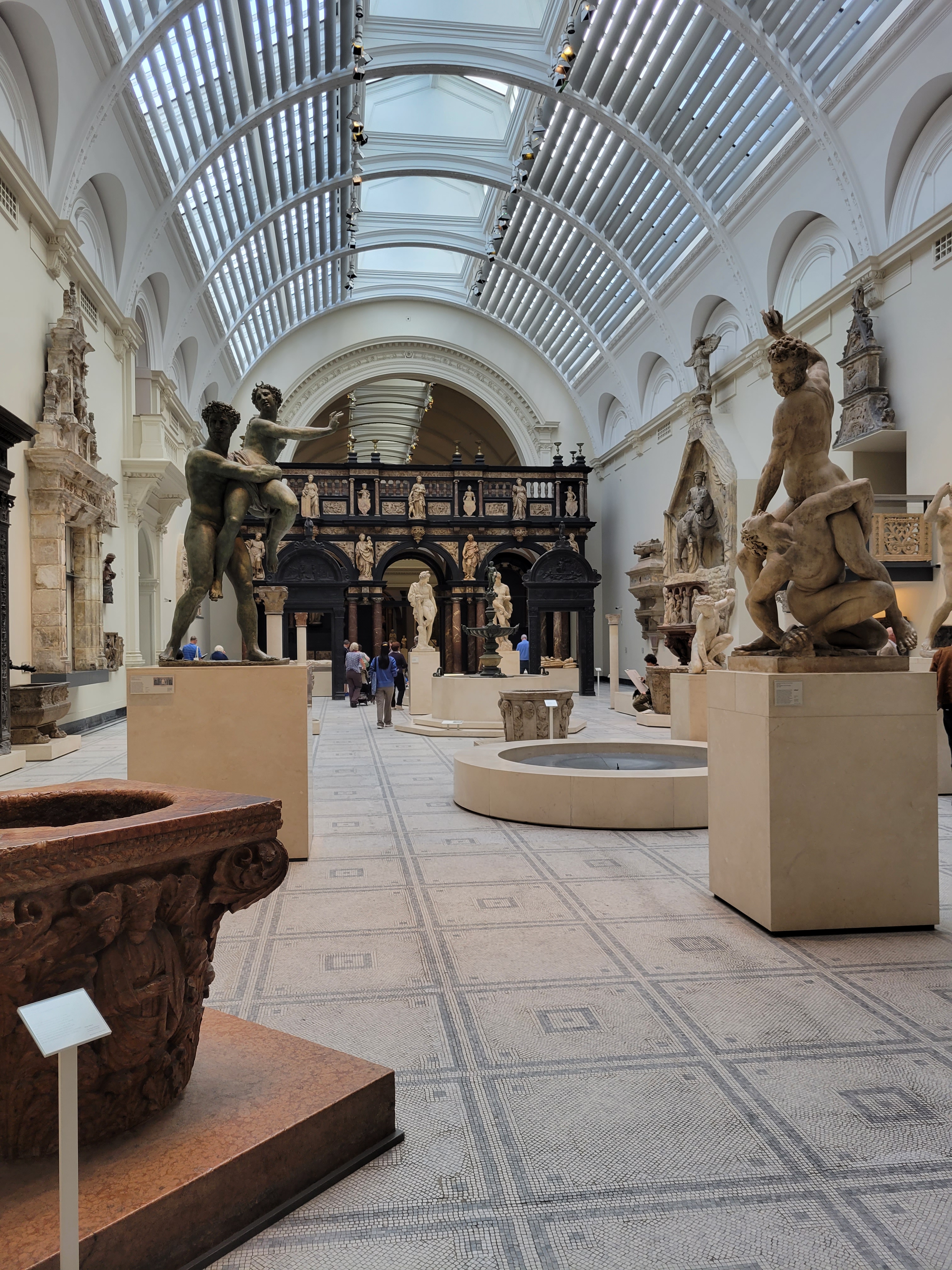
A museum that I feel has poor exhibition design is the Victoria and Albert Museum in London. While the breadth of the museum’s collections is incredible and vast, they are also overwhelming in their size and challenging to navigate. Theoretically, a visitor starts with the earliest time periods on the bottom floor and works their way up through the floors and exhibitions to the more recent time periods.
While time periods may be a good way to divide subject matter, too much information was crammed into each era, making it overwhelming to look at. I felt myself becoming fatigued with the number of objects to look at and had a hard time keeping track of which objects were connected and what stories they were meant to tell.
Sources:
Cabinet of Curiosities, Domenico Remps, c. 1690, Museo dell’Opificio delle Pietre Dure (foreground); Natural history museu of Ole Worm, Museum Wormiani Historia, 1655, Welcome Collection (background). The Collector. https://www.thecollector.com/cabinet-of-curiosities-museum-wunderkammer/
Chaliakopoulos, A. (2021, February 13). The Pre-Modern Museum: What Is A Cabinet Of Curiosities?. The Collector. https://www.thecollector.com/cabinet-of-curiosities-museum-wunderkammer/
Chicone, S. J., & Kissel, R. A. (2013). Dinosaurs and dioramas : Creating natural history exhibitions. Taylor & Francis Group.
Dewhirst, J. (2025). One Painting at a Time Talk [Photograph].Clifford Still Museum Diversity, Equity, Accessibility, and Inclusion Page. https://clyffordstillmuseum.org/about-us/diversity-equity-accessibility-and-inclusion/
Field Museum. (2025). SUE: The T. Rex Experience. https://www.fieldmuseum.org/sue-t-rex-experience
Full Dome. (2024). [Guests utilize virtual reality headsets] [Photograph]. Immersive Technology in Museums and Exhibits Blog Post. https://fulldome.pro/blog/immersive-technology-in-museums-and-exhibitions/
Lachapelle, R. (2024) Interpretation Design at a Crossroads With Museum Education. In Sinner, A., Osler, P., & White, B. (Eds.). (2024). Propositions for museum education : International art educators in conversation (pp. 126-137). Intellect, Limited.
Løvlie, A. S., Waern, A., Eklund, L., Spence, J., Rajkowska, P., & Benford, S. (2022). Hybrid Museum Experiences. In A. S. Løvlie & A. Waern (Eds.), Hybrid Museum Experiences: Theory and Design (pp. 31–56). Amsterdam University Press. https://doi.org/10.2307/j.ctv2cxx8x6.5
MoSH. (2025). [Photo of the entrance to the Mansion Exhibit at the Pink Palace] [Photograph]. Pink Palace Mansion Page. https://moshmemphis.com/explore/pink-palace-mansion/
National World War II Museum. (n.d.). [Photo of Road to Tokyo Exhibit at the National WWII Museum] [Photograph]. National WWII Museum Exhibits Page. https://www.nationalww2museum.org/visit/exhibits
Sinner, A., Osler, P., & White, B. (Eds.). (2024). Propositions for museum education : International art educators in conversation. Intellect, Limited.
Summers, J. (2018). Creating Exhibits That Engage: A Manual for Museums and Historical Organizations. Rowman and Littlefield.
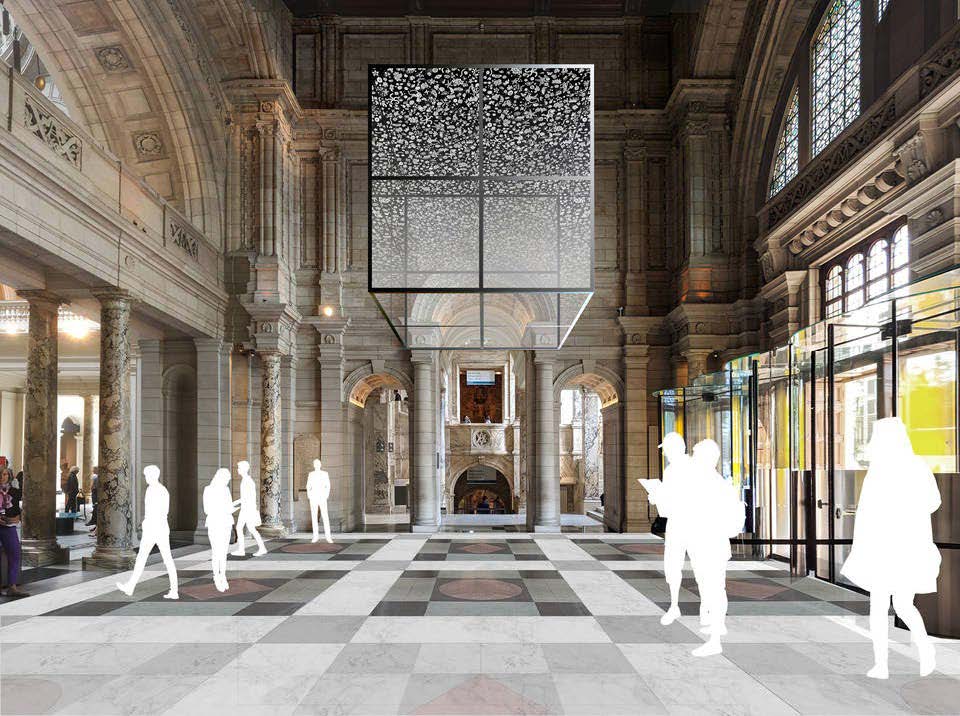
Victoria and Albert Museum. (n.d.). [Photo of exhibit space overlaid with outlined visitors] [Photograph]. Exhibition Design: Creating Immersive Experiences. https://www.nda.ac.uk/blog/exhibition-design-2/
Wizevich, K. (2025). Lecture: Exhibition [Video]. Retrieved from https://jhu.instructure.com/courses/103490/pages/m09-lecture-1-exhibition-2?module_item_id=4845598
 Life at the Museum